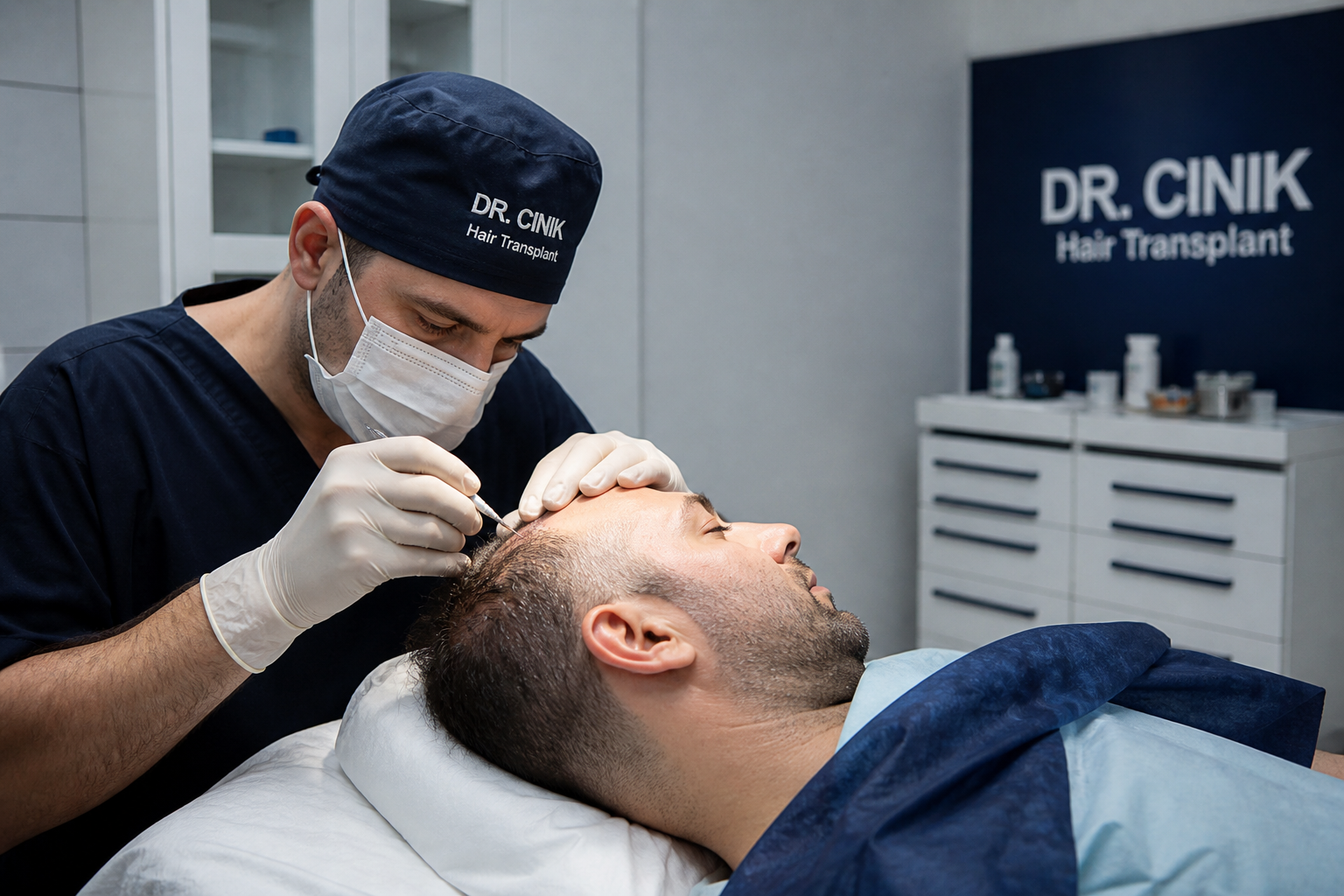
Hair loss is one of the most common concerns I see in clinic, affecting both men and women across different ages. Among the surgical solutions available today, Follicular Unit Transplantation (FUT) remains one of the most established and effective techniques. Despite the rise of newer methods, FUT continues to play an important role—especially for patients requiring a large number of grafts in a single session.
In this detailed review, I will walk you through everything you need to know about FUT: how it works, who it is best suited for, what results to expect, and whether it still holds its place in modern hair restoration.
What Is FUT Hair Transplant?
Follicular Unit Transplantation (FUT), often referred to as the “strip method,” is a surgical hair restoration technique where a thin strip of scalp is removed from the donor area—typically the back of the head. This strip is then carefully dissected under a microscope into individual follicular units, which are transplanted into thinning or balding areas.
Each follicular unit naturally contains 1–4 hairs, allowing for a very natural appearance when implanted correctly.
How FUT Works: Step-by-Step
Understanding the process helps set realistic expectations and reduces anxiety before the procedure.
1. Consultation and Planning
Every successful FUT procedure begins with a thorough consultation. This includes:
- Assessing your hair loss pattern
- Evaluating donor hair density
- Designing a natural-looking hairline
- Discussing long-term hair loss progression
2. Donor Strip Removal
A narrow strip of scalp is surgically removed from the donor area. This area is then closed with sutures or staples, leaving a linear scar that is typically hidden under surrounding hair.
3. Graft Dissection
The strip is divided into thousands of tiny follicular units under high-powered microscopes. This step is crucial for graft survival and natural results.
4. Recipient Site Creation
Tiny incisions are made in the balding area, following the natural direction and angle of hair growth.
5. Graft Placement
Each follicular unit is placed carefully into the recipient sites. Precision at this stage determines the final aesthetic outcome.
Who Is FUT Best For?
FUT is not for everyone, but it can be an excellent choice in the right circumstances.
Ideal Candidates:
- Patients needing a large number of grafts (2000+)
- Individuals with good scalp laxity (flexibility)
- Those who prefer to keep longer hair at the back
- Patients looking for maximum graft yield in one session
Less Suitable Candidates:
- People who wear very short hairstyles
- Those prone to poor scarring
- Patients with tight scalp skin
- Individuals who prefer a minimally invasive approach
FUT vs FUE: Key Differences
A common question I get is how FUT compares to Follicular Unit Extraction (FUE). While both techniques aim to restore hair, they differ significantly.
FUT Advantages:
- Higher graft yield in one session
- Often more cost-effective per graft
- Less shaving required in the donor area
- Potentially higher graft survival due to microscopic dissection
FUT Disadvantages:
- Linear scar in donor area
- Longer recovery time
- Slightly more invasive procedure
FUE Advantages:
- No linear scar (only tiny dot scars)
- Faster healing
- More flexibility with short hairstyles
FUE Disadvantages:
- Usually more expensive
- May require multiple sessions for large areas
- Slightly lower graft survival in some cases
Recovery After FUT
Recovery is a key consideration for anyone undergoing FUT.
First Week:
- Mild swelling and discomfort
- Sutures in donor area
- Scabs forming in recipient area
10–14 Days:
- Sutures are removed
- Most scabs have fallen off
- Visible healing begins
1–3 Months:
- Temporary shedding of transplanted hair (normal phase)
- Donor scar continues to mature
6–12 Months:
- New hair growth becomes visible
- Final results begin to take shape
12–18 Months:
- Full results achieved
- Hair thickens and blends naturally
The FUT Scar: What to Expect
One of the most discussed aspects of FUT is the linear scar.
In experienced hands, the scar is:
- Thin and discreet
- Easily concealed by surrounding hair
- Often barely noticeable with medium-length hairstyles
Advanced closure techniques, such as trichophytic closure, can allow hair to grow through the scar, further reducing visibility.
However, patients who prefer very short haircuts should carefully consider this factor.
Results: What Makes FUT Effective?
When performed correctly, FUT can deliver excellent, long-lasting results.
Key Benefits:
- Natural hairline design
- High density in transplanted areas
- Permanent hair growth (resistant to balding hormones)
- Efficient coverage of large areas
The success of FUT depends heavily on:
- Surgeon skill
- Team experience
- Proper graft handling
- Realistic patient expectations
Pain and Comfort Level
Many patients are surprised to learn that FUT is not particularly painful.
- Local anaesthesia ensures the procedure itself is comfortable
- Mild soreness may occur in the donor area after surgery
- Most patients manage discomfort with simple pain relief
Compared to expectations, discomfort is usually minimal and manageable.
Cost of FUT in the UK
FUT is generally more affordable than FUE when comparing cost per graft.
Typical Price Range:
- £3,000 to £7,000 depending on graft number and clinic
Factors affecting cost include:
- Surgeon expertise
- Clinic reputation
- Number of grafts required
- Location within the UK
While cost matters, choosing an experienced clinic should always be the priority.
Risks and Considerations
Like any surgical procedure, FUT carries some risks, though they are relatively low when performed by qualified professionals.
Possible Risks:
- Visible scarring (rare with proper technique)
- Infection (very uncommon)
- Temporary numbness
- Shock loss (temporary shedding of existing hair)
Choosing a reputable clinic significantly reduces these risks.
FUT in Modern Hair Transplant Practice
With the popularity of FUE, some people assume FUT is outdated. This is not accurate.
FUT remains highly relevant because:
- It allows for maximum graft harvesting in one session
- It preserves the donor area for future procedures
- It is often preferred for advanced hair loss cases
In fact, many top surgeons use a combination of FUT and FUE over time to optimise results.
My Expert Perspective
From a clinical standpoint, FUT is a powerful and reliable technique when used appropriately.
I often recommend FUT for patients who:
- Require extensive coverage
- Have strong donor density
- Are comfortable with a linear scar
- Want the best possible graft yield in one procedure
It is not about choosing the “newest” method—it is about choosing the right method for the individual.
Tips for Patients Considering FUT
If you are thinking about FUT, keep these points in mind:
- Do not base your decision on price alone
- Always review before-and-after photos
- Ask about the surgeon’s experience specifically with FUT
- Understand the long-term plan for your hair loss
- Be realistic about density and coverage
Final Verdict: Is FUT Worth It?
FUT remains one of the most effective hair transplant techniques available today. While it may not suit everyone, it offers clear advantages for the right patient—particularly those needing significant coverage in a single session.
When performed by a skilled surgeon, FUT can deliver:
- Natural-looking results
- High graft survival
- Long-term hair restoration success
In a world increasingly focused on minimally invasive procedures, FUT still stands strong as a proven, dependable option in hair restoration.
If you are considering a hair transplant in the UK, the best step you can take is a personalised consultation. Every case is unique, and the right approach will always depend on your individual hair loss pattern, goals, and expectations.