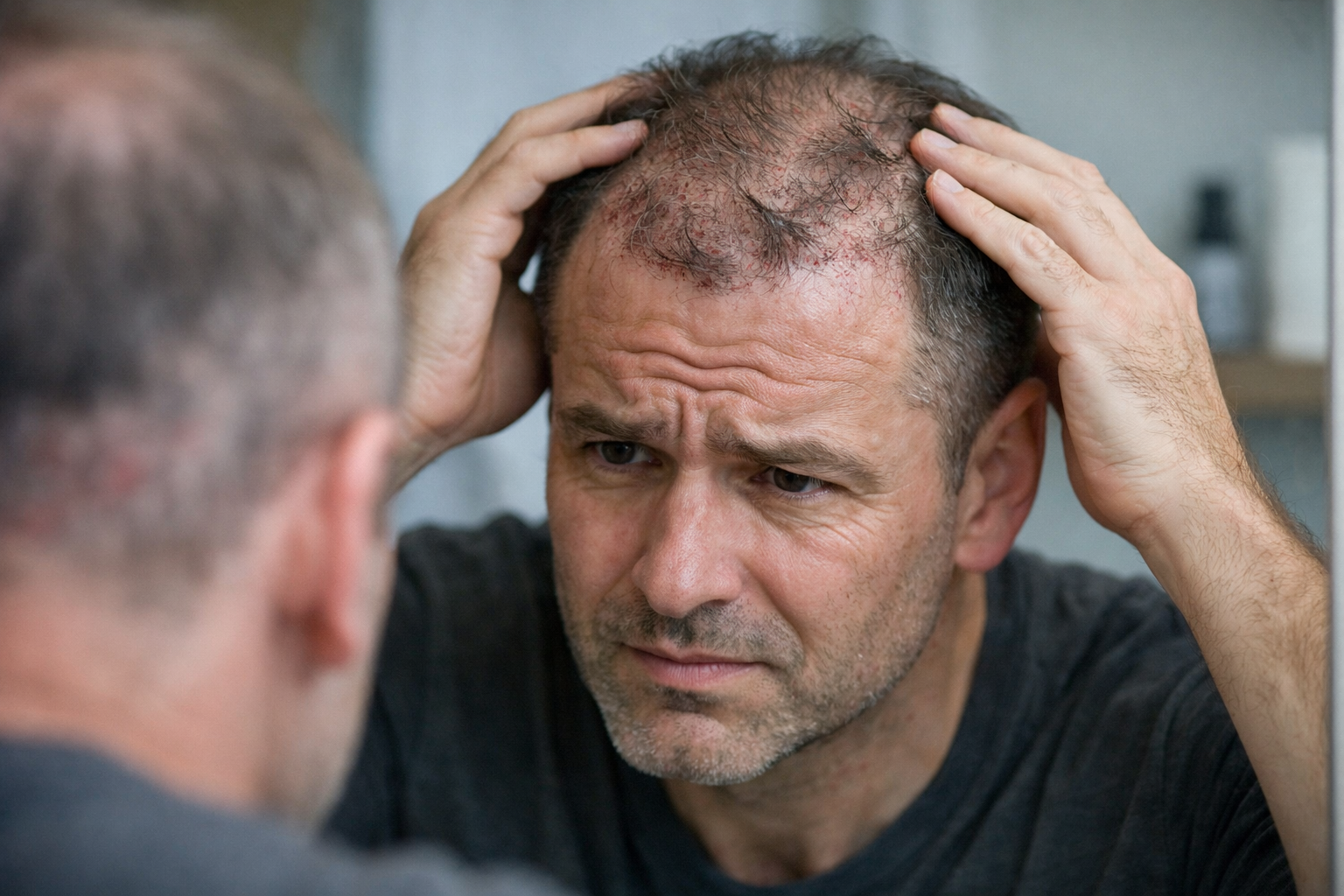
Hair transplantation has become one of the most sought-after cosmetic procedures worldwide, particularly among men experiencing pattern hair loss. With advances in techniques such as Follicular Unit Extraction (FUE) and Follicular Unit Transplantation (FUT), results can be life-changing when performed correctly. However, not all procedures deliver the desired outcome. As a hair transplant specialist, I have seen firsthand the emotional and physical consequences of poorly executed surgeries.
This review offers a professional, in-depth look at failed hair transplants—why they happen, how to recognise them, and what patients in the UK should know before undergoing the procedure.
Understanding Hair Transplant Failure
A failed hair transplant is not always as obvious as one might think. It does not only refer to cases where no hair grows. Failure can include unnatural results, poor density, visible scarring, or damage to the donor area.
In clinical terms, a transplant is considered unsuccessful when it does not meet medical, aesthetic, or patient satisfaction standards. This could mean:
- Low graft survival rate
- Incorrect hairline design
- Patchy or uneven growth
- Infection or complications
- Overharvesting of the donor area
Many patients come to clinics seeking corrective procedures after experiencing these issues, often unaware of the risks they initially took.
Common Causes of Failed Hair Transplants
1. Inexperienced Surgeons
One of the leading causes of poor results is lack of expertise. Hair transplantation is a highly technical and artistic procedure. It requires precise angle placement, density control, and natural hairline design.
Clinics offering extremely low prices often rely on technicians rather than qualified surgeons. In such cases, the patient may never meet the doctor who performs the surgery.
2. Poor Graft Handling
Hair follicles are delicate structures. If they are not handled correctly during extraction, storage, and implantation, they can become damaged.
Improper hydration, prolonged exposure outside the body, or rough handling can all reduce graft survival rates significantly.
3. Overharvesting the Donor Area
The donor area, usually at the back of the scalp, has a finite number of follicles. Overharvesting can lead to:
- Permanent thinning
- Visible patchiness
- Scarring
This is a critical mistake that can limit future corrective options.
4. Incorrect Hairline Design
Designing a natural-looking hairline is both an art and a science. Poorly designed hairlines often appear:
- Too straight or artificial
- Too low for the patient’s age
- Asymmetrical
This is one of the most difficult issues to correct later.
5. Infection and Poor Aftercare
Infections can destroy transplanted grafts and damage surrounding tissue. Many failed procedures are linked to inadequate hygiene standards or poor aftercare guidance.
Signs Your Hair Transplant Has Gone Wrong
Patients often ask how soon they can tell if something is wrong. While some signs appear early, others take months to become noticeable.
Early Warning Signs
- Excessive swelling or prolonged redness
- Severe pain beyond expected recovery
- Signs of infection (pus, fever, foul smell)
- Grafts falling out prematurely
Long-Term Indicators
- Sparse or patchy growth after 9–12 months
- Unnatural hair direction
- Visible scarring
- Donor area looking depleted
It is important to understand that hair growth takes time. However, by the one-year mark, results should be clear.
Psychological Impact of Failed Procedures
Hair loss itself can affect confidence, but a failed transplant often has a deeper emotional impact.
Patients frequently report:
- Anxiety and regret
- Loss of trust in medical professionals
- Social withdrawal
- Financial stress due to corrective procedures
In my experience, managing expectations and providing honest consultations is just as important as the surgery itself.
Realistic Expectations vs. Marketing Promises
One major issue in the industry is unrealistic advertising. Many clinics promote “guaranteed results” or “full density in one session,” which is rarely achievable.
Hair transplantation depends on several factors:
- Donor hair quality
- Extent of hair loss
- Scalp condition
- Patient age
A responsible clinic will provide a personalised assessment rather than a one-size-fits-all promise.
Can Failed Hair Transplants Be Fixed?
The good news is that many failed transplants can be improved, though correction is often more complex than the original procedure.
Corrective Options Include:
1. Repair Hair Transplant
A second procedure can redistribute grafts, improve density, and redesign the hairline.
2. Scar Revision
For patients with FUT scars, treatments may include:
- Scar excision
- Micropigmentation
- Laser therapy
3. Donor Area Restoration
Advanced techniques can help camouflage overharvested areas.
4. Medical Treatments
Medications and therapies such as PRP (Platelet-Rich Plasma) can support hair growth and scalp health.
However, not every case can be fully corrected. Prevention remains the best approach.
The Role of Technique: FUE vs FUT
Both FUE and FUT can produce excellent results when performed properly. However, each has risks if done incorrectly.
FUE Risks
- Overharvesting
- Inconsistent extraction
- Visible dot scarring
FUT Risks
- Linear scarring
- Poor wound closure
- Limited flexibility for short hairstyles
The choice of technique should be based on the patient’s needs, not clinic preference.
How to Avoid a Failed Hair Transplant
1. Choose a Qualified Surgeon
Always verify:
- Medical credentials
- Experience in hair restoration
- Before-and-after case studies
Avoid clinics where technicians perform key parts of the procedure.
2. Prioritise Consultation Quality
A proper consultation should include:
- Detailed scalp analysis
- Discussion of expectations
- Long-term hair loss planning
If a clinic rushes this process, consider it a red flag.
3. Be Wary of Low Prices
Hair transplantation is a medical procedure, not a commodity. Extremely low prices often indicate compromised standards.
4. Check Reviews Carefully
Look for consistent feedback rather than isolated testimonials. Independent platforms are more reliable than clinic websites.
5. Understand Aftercare Requirements
Proper aftercare is crucial for graft survival. Make sure you receive clear instructions and ongoing support.
The UK Perspective: Standards and Regulations
In the UK, hair transplant clinics are expected to follow strict healthcare regulations. However, not all clinics operate at the same standard.
Patients should ensure the clinic is registered with appropriate regulatory bodies and that procedures are carried out by licensed medical professionals.
Medical tourism has also contributed to an increase in failed procedures, as patients travel abroad for cheaper options without fully understanding the risks.
Case Study Insights from Clinical Practice
In my practice, I have treated numerous patients seeking corrective procedures. Common patterns include:
- Hairlines placed too low in younger patients
- Donor areas severely depleted due to overharvesting
- Grafts implanted at incorrect angles, causing unnatural growth
In one case, a patient required two additional procedures to correct a poorly designed hairline from an overseas clinic. The emotional toll was significant, and the financial cost exceeded what a high-quality initial procedure would have been.
Ethical Responsibility in Hair Transplantation
As specialists, we have a duty to prioritise patient safety over profit. This includes:
- Refusing unsuitable candidates
- Setting realistic expectations
- Using evidence-based techniques
Unfortunately, the growing demand for hair transplants has led to the rise of “hair mills” that prioritise volume over quality.
Final Thoughts: Is Hair Transplant Worth It?
Hair transplantation can deliver excellent, natural-looking results when performed correctly. However, the risks of failure are real and should not be underestimated.
A failed hair transplant is not just a cosmetic issue—it can affect confidence, finances, and long-term scalp health.
The key takeaway is simple: choose expertise over convenience. Take time to research, ask questions, and ensure you are in safe hands.
Conclusion
Hair transplant failure is often preventable. Most complications arise from poor technique, lack of experience, or unrealistic expectations. By understanding the risks and choosing a reputable clinic, patients can significantly improve their chances of success.
For those who have already experienced a failed procedure, options for correction do exist, but they require careful planning and realistic goals.
As a specialist, my advice is always the same: approach hair transplantation as a medical decision, not a quick cosmetic fix. The right choice at the beginning can save years of regret later.
If you are considering a hair transplant or dealing with a failed one, seeking expert advice early can make all the difference.