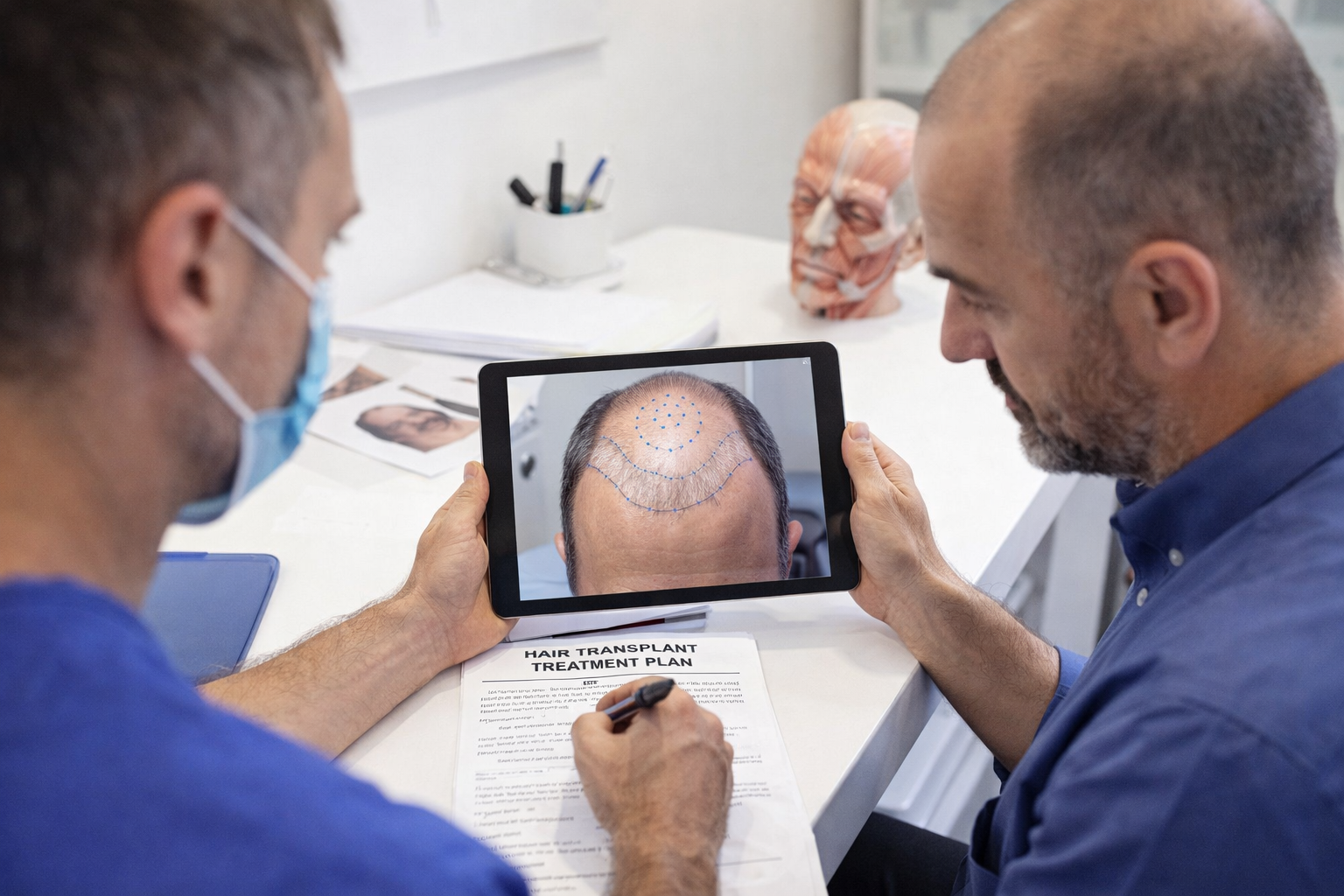
Hair transplantation has evolved into one of the most effective and reliable solutions for hair loss. However, the success of any procedure does not depend solely on surgical technique—it largely hinges on a well-structured, personalised treatment plan. A proper hair transplant treatment plan ensures natural results, long-term sustainability, and optimal patient satisfaction.
In this comprehensive review, we will explore what constitutes a proper treatment plan for hair transplant, how it is developed, and why it is crucial for achieving the best possible outcomes—especially for patients in the UK seeking safe, professional, and lasting solutions.
Understanding Hair Loss Before Planning Treatment
Before any transplant is considered, a proper diagnosis of hair loss is essential. Hair loss is not a one-size-fits-all condition, and treatment plans must reflect this complexity.
Common Causes of Hair Loss
The most frequent cause is androgenetic alopecia, also known as male or female pattern baldness. However, other contributing factors include:
- Hormonal imbalances
- Stress-related hair loss (telogen effluvium)
- Medical conditions such as thyroid disorders
- Nutritional deficiencies
- Scalp conditions
A proper treatment plan always begins with identifying the root cause. Without this step, even the most technically perfect transplant may fail to deliver long-term satisfaction.
Patient Assessment: The Foundation of a Proper Plan
A thorough patient assessment is the cornerstone of any successful hair transplant strategy.
Medical History Review
A specialist will evaluate:
- Family history of hair loss
- Previous treatments or surgeries
- Medications and underlying health conditions
This ensures the patient is suitable for surgery and helps predict future hair loss patterns.
Scalp Examination
A detailed scalp analysis includes:
- Hair density measurement
- Donor area quality
- Hair thickness and texture
- Degree of miniaturisation
These factors determine how many grafts can be safely extracted and implanted.
Age and Future Hair Loss Consideration
Younger patients require particularly careful planning. Hair loss is progressive, and transplanting too aggressively early on can lead to unnatural results later.
A proper plan anticipates future hair loss and preserves donor hair for potential future procedures.
Designing a Natural Hairline
One of the most critical aspects of a hair transplant plan is hairline design. A poorly designed hairline can undermine the entire procedure.
Key Principles of Hairline Design
- Age-appropriate placement: Avoiding unnaturally low hairlines
- Natural irregularity: Mimicking natural hair growth patterns
- Facial symmetry: Complementing the patient’s facial structure
In the UK, where subtle and natural results are highly valued, this step is particularly important. The goal is not just restoration, but realism.
Choosing the Right Technique
A proper treatment plan must include selecting the most suitable surgical technique. The two primary methods are:
Follicular Unit Extraction (FUE)
- Individual follicles are extracted and implanted
- Minimal scarring
- Faster recovery time
Follicular Unit Transplantation (FUT)
- A strip of scalp is removed and dissected into grafts
- Higher graft yield in some cases
- Linear scar (usually hidden by surrounding hair)
Which Technique Is Better?
There is no universal answer. The best technique depends on:
- Extent of hair loss
- Donor area condition
- Patient preferences
- Long-term goals
A proper treatment plan may even combine techniques for optimal results.
Graft Calculation and Distribution
Determining the correct number of grafts is a crucial part of planning.
Factors Influencing Graft Numbers
- Size of the balding area
- Desired density
- Hair characteristics (thick vs thin hair)
- Donor supply limitations
Overharvesting the donor area can lead to visible thinning, while underestimating graft needs may result in poor coverage.
Strategic Placement
Grafts must be distributed carefully:
- Higher density at the front (hairline zone)
- Gradual transition toward the crown
- Natural angling and direction
This ensures a balanced and aesthetically pleasing outcome.
Pre-Treatment Preparation
A proper plan does not start on the day of surgery—it begins weeks in advance.
Medical Preparation
Patients may be advised to:
- Stop certain medications
- Avoid alcohol and smoking
- Begin supportive treatments like topical solutions
Scalp Conditioning
Improving scalp health before surgery can enhance graft survival. This may include:
- Hydration treatments
- Nutritional support
- Managing dandruff or inflammation
Preparation reduces complications and improves overall results.
The Role of Medical Therapy
A high-quality treatment plan often includes non-surgical therapies alongside transplantation.
Medications
Commonly recommended options include:
- DHT blockers to slow hair loss
- Topical treatments to stimulate growth
These help protect existing hair and support transplanted grafts.
Why This Matters
Hair transplantation redistributes existing hair—it does not stop hair loss. Without medical therapy, patients may continue to lose surrounding native hair, compromising the final appearance.
The Surgical Procedure: Execution of the Plan
Even the best plan requires precise execution.
Key Elements of a Successful Procedure
- Accurate graft extraction
- Minimal trauma to follicles
- Proper storage and hydration of grafts
- Skilled implantation
The surgeon’s expertise plays a critical role in translating the treatment plan into real results.
Post-Operative Care: Ensuring Long-Term Success
A proper treatment plan extends well beyond the surgery itself.
Immediate Aftercare
Patients must follow strict guidelines, including:
- Gentle washing techniques
- Avoiding physical strain
- Protecting the scalp from sun exposure
Healing Timeline
- First 2 weeks: Scabs fall off, initial healing
- 1–3 months: Shedding phase (normal)
- 3–6 months: Early regrowth
- 6–12 months: Significant improvement
- 12–18 months: Final results
Understanding this timeline helps manage expectations.
Managing Expectations
A realistic treatment plan includes clear communication about expected outcomes.
What Patients Should Know
- Results take time
- Density may not match natural hair fully
- Additional sessions may be required
In the UK, ethical clinics prioritise transparency and avoid overpromising results.
Long-Term Planning and Maintenance
Hair transplantation is not a one-time fix—it is part of a long-term strategy.
Future Hair Loss
Even after a successful transplant, natural hair loss may continue. A proper plan accounts for:
- Potential second procedures
- Ongoing medical therapy
- Lifestyle adjustments
Maintenance Treatments
Patients may benefit from:
- PRP (Platelet-Rich Plasma) therapy
- Laser treatments
- Nutritional optimisation
These support hair health and prolong results.
Common Mistakes in Poor Treatment Plans
Understanding what not to do is just as important.
Overharvesting the Donor Area
This can lead to permanent thinning and limited future options.
Ignoring Future Hair Loss
Creating a dense hairline without planning for progression results in unnatural patterns over time.
One-Size-Fits-All Approach
Every patient is unique. Generic plans often lead to suboptimal outcomes.
Why Personalisation Is Essential
No two patients have identical hair loss patterns, donor characteristics, or expectations.
A proper treatment plan is tailored to:
- Individual anatomy
- Hair type
- Lifestyle
- Long-term goals
This personalised approach is what separates average results from exceptional ones.
Choosing the Right Clinic in the UK
A well-designed treatment plan starts with selecting a reputable clinic.
What to Look For
- Experienced surgeons
- Transparent consultations
- Detailed treatment plans
- Before-and-after case studies
Red Flags
- Unrealistic promises
- Lack of medical assessment
- High-pressure sales tactics
In the UK, strict medical standards help ensure patient safety, but due diligence is still essential.
The Psychological Impact of a Proper Plan
Hair loss can significantly affect confidence and self-image. A well-executed treatment plan not only restores hair but also improves overall well-being.
Patients often report:
- Increased confidence
- Better social interactions
- Improved quality of life
This highlights the importance of a thoughtful, patient-centred approach.
Final Verdict: What Makes a Treatment Plan “Proper”?
A proper hair transplant treatment plan is comprehensive, personalised, and forward-thinking. It goes beyond the procedure itself and considers every stage of the patient journey.
Key Takeaways
- Accurate diagnosis is essential
- Planning must account for future hair loss
- Technique selection should be individualised
- Medical therapy plays a supporting role
- Long-term maintenance is crucial
When all these elements come together, the result is not just restored hair—but a natural, lasting transformation.
Conclusion
Hair transplantation is as much an art as it is a science. The difference between an average result and an outstanding one lies in the planning.
For patients in the UK, where expectations for natural outcomes are high, investing in a proper treatment plan is non-negotiable. It ensures that every graft is placed with purpose, every decision is backed by expertise, and every result stands the test of time.
If approached correctly, a hair transplant can deliver life-changing results. But it all begins with a plan—one that is tailored, strategic, and designed with the future in mind.